Showing posts with label Advocacy. Show all posts

Friday, 29 October 2021

BC Building Codes


The BC Government is inviting all British Columbians to provide feedback on revising the BC Building Code Accessibility Requirements to make new buildings more accessible for all. We encourage OTs to provide their feedback as well, given the vital roles that we have in home accessibility and modifications to living environments.


A public engagement about BC Building Code accessibility requirements is open and will run until Dec. 9, 2021. The input collected through an online survey will be used to help government develop changes to the next BC Building Code to make new buildings more accessible. The survey is available here: https://engage.gov.bc.ca/govtogetherbc/building-codeaccessibility


You can read the news release with CAOT-BC’s support here.
#OT365

Wednesday, 6 October 2021

BC Member Forum


BC Member Forum: We want to hear from you!

Prior to covid-19 we were able to visit various regions in BC to engage in conversations with OTs in various areas of practice and geographical contexts. We miss doing this, but it is still not yet time to be traveling around BC to resume meeting with BC members.

In place of our in-person forums, we are inviting BC OTs together for a virtual member forum. This will be an important opportunity to connect, and we will give updates on what we are working on. More importantly, we want to hear from you on what we can do to support, represent, and advocate for BC OTs! The forum will take place on October 28th, from 12:00-1:15pm PST. Register for the forum here.

Friday, 20 August 2021

Call for OTs working in COVID rehab


WFOT is collaborating with the World Health Organization (WHO) Rehabilitation Programme on the development of an Interim Guidance Document for the Rehabilitation of Post COVID-19 Condition. 

WFOT and WHO are inviting occupational therapists who have clinical experience with the rehabilitation of the post-COVID-19 Condition or have been actively involved in (sub)national program planning to be nominated as a volunteer WFOT representative for this WHO initiative. WFOT is seeking representation from different WHO regions, including low- and middle-income countries.  

Requirements:

1. Occupational therapists with demonstrated clinical experience with the rehabilitation of the post-COVID-19 Condition or have been actively involved in (sub)national program planning.

2. Ability to communicate effectively in English.

3. Completed online application form and uploaded Curriculum Vitae/Resume (maximum 2 pages). A copy of the online application form is attached for preview.

Timeline:

WFOT will need to receive nominations by the 23th August, 2021.
If you are eligible to participate please complete the application form via this link: https://wfot.link/whocovid


Friday, 9 July 2021

Engagement Opportunity: HSA Core Member Engagement Team

HSA Core Member Engagement Team 


OT applicants wanted for the HSA Core Member Engagement Team. This team is an intensive member program that supports the leadership development of HSA members towards increasing member activism in the union. The program combines organizing training, team building, and on-the-ground mobilizing to prepare new union activists to confront the challenges facing our union, our communities, and the world. The deadline for applications is July 16th.


The team consists of 6 to 8 Core Member Engagers recruited through an open application process. The team will be booked off from work for a six-week period to do engagement work at HSA chapters. 


To learn more, apply for the position or to read the FAQs, click here.

#OT365

Monday, 28 June 2021

Help advocate: OT perspectives needed!


Have your voice heard: Allied Health Provincial Consultation

As part of the BC Allied Health Provincial Consultation process, the Ministry of Health has developed an online survey to collect allied health data in seven key areas of focus: identity and recognition, workforce and practice optimization, leadership, education and training, recruitment, retention, and partnerships and collaboration. 

Occupational therapists in BC are eligible to participate in the survey that will run from June 22nd to July 13th. Complete the survey here.

The results of the survey will provide valuable insight to the current state of allied health in BC, from the perspective of occupational therapists, related to the seven core themes above. Data collected via the online surveys and focus groups will be aggregated, themed and incorporated into a “What We Heard” report that will be developed and shared with key stakeholders later this summer/early fall to validate the initial findings.  This will help to inform the three-year strategic plan for the Allied Health Policy Secretariat.

#OT365


Friday, 14 May 2021

#PrioritizePain - Call to Action

Retrieved from: https://www.paincanada.ca/

CAOT-BC supports Pain BC in getting the word out on the call for action on chronic pain

CAOT-BC welcomes the final report by the Canadian Pain Task Force, An Action Plan for Pain in Canada, released to the public in May 2021 by Health Canada. The report lays out numerous recommendations to improve outcomes for the nearly eight million Canadians living with chronic pain and calls for national action to reduce pain’s impact on individuals, families, communities, and society. Occupational therapists often work with clients and family members of those who experience chronic pain, and this call to action is timely and relevant. 
CAOT-BC supports the recommendations in An Action Plan for Pain in Canada and to call for their implementation.


The report makes dozens of targeted recommendations in support of its calls for:
1.     National leadership to make pain a public health priority.
2.     Equitable access to timely, evidence-based, and person-centred pain care and supports for all Canadians, no matter where they live.
3.     Improved education for health professionals, the public, and people with pain in order to improve pain management and reduce stigma.
4.     Further investments in research on pain and pain treatments and better support for translating new knowledge into real world impact.
5.     Improved data collection to effectively monitor pain and its impacts.
6.     Equitable access to care and support for communities disproportionately impacted by pain, including Indigenous peoples, racialized communities, LGBTQ2S+ communities, people who use drugs, people with mental illness, people with disabilities, workers, children and youth, women, people who are incarcerated, and veterans. Read the full report here.

The Canadian Pain Task Force was formed by the Government of Canada in April 2019 to assess the current state of pain in Canada and to recommend an improved approach to addressing pain in our country. An Action Plan for Pain in Canada is the third and final report from the Canadian Pain Task Force. Read its previous two reports here.

#OT365


Wednesday, 12 May 2021

Consultation to Review the Personal Information Protection Act

Calling all OTs, we want to hear from you! 

On April 13, 2021 the Legislative Assembly agreed that a Special Committee be appointed to undertake a review of the Personal Information Protection Act (PIPA) [SBC 2003, c. 63] in accordance with section 59 of that Act. The Act governs how private sector organizations collect, use and disclose personal information and gives individuals the right to access their own personal information.

As occupational therapists we often collect, use and disclose personal information within a healthcare setting and according to the College guidelines. Therefore, your feedback plays a key role in the information that CAOT-BC will be bringing forward to the special committee during the upcoming public hearings in June and July 2021. For more information about Bill C-11, PIPA and the proposed provisions, click here.

If you would like to provide us with your thoughts and feedback about PIPA and any proposed changes, please connect with us no later than May 31st 2021, by emailing caotbc@caot.ca 

#OT365


Sunday, 21 March 2021

International Day for the Elimination of Racial Discrimination

March 21, 2021 marks the International Day for the Elimination of Racial Discrimination. 

In response to the murder of George Floyd and the Black Lives Matter movement, CAOT released a statement (found here) which offered five actions occupational therapists can take. Included in these resources is a video by Marie-Lyne Grenier, presenting their research on "Questioning White Supremacy in Occupational Therapy Practice and Education." The link to this video can be found here, and aligns with the purpose of International Day for the Elimination of Racial Discrimination. 

Furthermore, guided by the International Convention on the Elimination of All Forms of Racial Discrimination, the International Day for the Elimination of Racial Discrimination recognizes that injustice and struggles with racism take place every day. The UN works with other countries “to adopt special measures to eliminate conditions that cause or help perpetuate racial discrimination.”

Visit International Day for the Elimination of Racial Discrimination for more information.


#OT365


Thursday, 23 July 2020

Working for You: CAOT submits letter to the editor


We submitted a letter to the editor of the Vancouver Sun in response to an article published July 15, 2020 “BC injury lawyers face off against occupationaltherapists over no-fault insurance.” Unfortunately, it was not accepted. It is printed below.

Editor:

BC’s occupational therapists are not “facing off” with lawyers.

Occupational therapists collaborate with many professionals to access and provide the best possible care for people injured in motor vehicle accidents, including lawyers. These partnerships are cordial, professional, and focused on the needs of the injured person.

Occupational therapists also work with individuals, groups, and communities throughout the health, social, and educational sectors in BC. The needs of the client (recipient of services) is the primary concern of all occupational therapists.

The sensational headline (July 15, 2020) suggesting that either occupational therapists or lawyers are working against each other or the best needs of their clients is misleading to the many British Columbians who count on us to help them return to the activities of daily life: work, school, play, taking care of themselves and their families.

BC’s occupational therapists will continue to advocate for benefits to meet the care needs of people injured in motor vehicle accidents. British Columbians who need support to return to and maintain their valued life activities can count on their occupational therapist to provide compassionate and effective services.

Catherine Backman, President
Giovanna Boniface, President-elect
Canadian Association of Occupational Therapists

#OT365

Wednesday, 13 May 2020

COVID-19 and Canada’s Children: Emergency Funding Request to Support the Health of Canada’s Children and Youth

The purpose of this proposal is to issue a request for federal emergency funding to support the needs of the health systems serving children, as a result of the COVID-19 pandemic. We are encouraging occupational therapists to share this proposal with their Member of Parliament

Children’s Healthcare Canada, the Pediatric Chairs of Canada, MICYRN, and patient and family partners call on the federal government to:

Recommendation 1: Allocate emergency funding in the amount of $95M to facilitate the implementation of virtual delivery of children's health services across the continuum of care (including occupational therapy).

Recommendation 2: Provide funding in the amount of $28M to support Canada’s child health research communities to ensure their sustainability.

Children are being significantly impacted both directly and indirectly by the COVID-19 pandemic. While children with COVID-19 experience less severe symptoms and lower mortality rates than other age groups, the negative impacts on children, youth, and their families as a result of the pandemic are significant. As COVID-19 monopolizes Canadian health systems, many children and youth are forgoing immunizations and other lifesaving or life-sustaining health services. Concurrently, the children’s health research enterprise has come to a halt. The diversity of healthcare organizations serving children, youth, and their families (e.g., children’s hospitals, children’s treatment centres, community hospitals, respite providers, home care agencies, and research institutes), and the jurisdictional division of responsibilities for health services planning and delivery only adds further complexity to the articulation of a measured response to protect some of Canada’s most vulnerable citizens.

What can you do to help?

Call or Email and show your support for this proposal. You can find the list of MP's (and their contact information) from across Canada here.

#OT365


Friday, 6 March 2020

CAOT-BC Release: Occupational therapists seek path to improved care in proposed ICBC changes


CAOT-BC had the opportunity to state its support for the government’s intent to improve access to care for British Columbians injured in a motor vehicle accident at a press conference held Wednesday March 4th  with the Attorney General, David Eby, and Justina Loh from Disability Alliance of BC. 
CAOT-BC Managing Director Tanya Fawkes-Kirby shared the association position of support for the government’s vision of providing better care and recovery benefits for individuals whose lives are impacted by injuries from motor vehicle accidents.  

CAOT-BC is a regional chapter of the Canadian Association of Occupational Therapists.  They have been working closely with ICBC to articulate the challenges that clients have faced when seeking needed care and there is renewed optimism that the concerns of health professionals and client advocates have been heard.  CAOT-BC has not commented on all aspects of the government’s plan, acknowledging that while there is much common ground regarding health benefits for clients, there is not consensus in the occupational therapy community on some of the legal and administrative aspects of the proposed changes.

Going forward, CAOT-BC is working with ICBC to clarify how best practice assessment and treatment services will be provided, and how funding approval will be managed. Ongoing consultation will allow for continued collaboration with ICBC, the Attorney General, health care professionals and patient advocacy groups to inform best practices in rehabilitation care. 
OTs provide unique services that help BC residents return to the activities that are important to their everyday lives, as soon as possible.  The provision of increased care benefits to help injured individuals access the services they require is central to the mission of OTs.

Fawkes-Kirby noted “CAOT-BC is pleased with the efforts of the Attorney General’s office to listen to feedback from health care representatives regarding improved care, and we look forward to contributing to the planning and implementation phases to make this vision a reality. Occupational therapists remain truly committed to helping British Columbians recover their lives and their independence in the wake of a motor vehicle accident.”   

CAOT-BC Managing Director was quoted in several news stories, including:

BC Government News Release: Legislation introduced to transform ICBC, deliver lower rates

Global News Story: B.C. government requiring ICBC to notify those injured in a crash of benefits under new system

#OT365

Friday, 3 January 2020

Proposed changes to how occupational therapy is regulated in BC - Last chance to provide your input


The B.C. Government Steering Committee on Modernization of Health Professional Regulation is currently collecting public feedback as they develop a proposal for how British Columbia’s Health Professions Act should be modernized. 

Proposed areas of change include: 
  • the number of regulatory colleges in B.C.
    • occupational therapy would be regulated by the College of Health and Care Professions of B.C., an amalgamation of regulatory colleges of many professions, including: chiropractors, dietitians, massage therapists, naturopathic physicians, opticians, optometrists, physical therapists, psychologists, speech and hearing professionals, traditional chinese medicine practitioners, acupuncturists and the diagnostic and therapeutic professions
  • college governance (including board size and composition) 
  • the oversight of regulatory colleges (including creation of a new oversight body)
  • the complaints and adjudication process
  • legislation regarding information sharing between regulatory colleges and other agencies

We strongly encourage all occupational therapists to provide your input to the Steering Committee through written submission or a 10-minute survey no later than January 10th at 4pm.

CAOT-BC is currently finalizing an official submission response to the consultation. brief summary of the CAOT-BC response is available in order to support a cohesive message from the BC occupational therapy community. We encourage respondents to use their own words and examples when completing their response.

#OT365

Monday, 23 December 2019

CAOT-BC Response Summary: Modernizing the Provincial Health Profession Regulatory Framework


CAOT-BC is currently finalizing an official response to the B.C. Government Steering Committee on Modernization of Health Professional Regulation.

We are encouraging all occupational therapists in BC provide your input to the Steering Committee through written submission or a 10-minute survey no later than January 10th at 4pm.

A brief summary of the CAOT-BC response is available for consideration of the BC occupational therapy community when forming their responses to the sweeping changes recommended in the consultation paper. We encourage respondents to use their own words and examples when completing their responses.

#OT365

Friday, 6 December 2019

Provide your input on proposed changes to how occupational therapy is regulated in BC


The B.C. Government Steering Committee on Modernization of Health Professional Regulation is currently collecting public feedback as they develop a proposal for how British Columbia’s Health Professions Act should be modernized. 

Proposed areas of change include: 

  • the number of regulatory colleges in B.C.
    • occupational therapy would be regulated by the College of Health and Care Professions of B.C., an amalgamation of regulatory colleges of many professions, including: chiropractors, dietitians, massage therapists, naturopathic physicians, opticians, optometrists, physical therapists, psychologists, speech and hearing professionals, traditional Chinese medicine practitioners, acupuncturists and the diagnostic and therapeutic professions
  • college governance (including board size and composition) 
  • the oversight of regulatory colleges (including creation of a new oversight body)
  • the complaints and adjudication process
  • legislation regarding information sharing between regulatory colleges and other agencies

CAOT-BC is currently collaborating with stakeholders to prepare an official submission response to the consultation. 

We strongly encourage all occupational therapists to provide your input to the Steering Committee through written submission or a 10-minute survey no later than January 10th at 4pm.

#OT365


Thursday, 14 November 2019

Feedback opportunity: Accessibility through Legislation

Accessibility through Legislation
Shane Simpson, Minister of Social Development and Poverty Reduction is seeking feedback in preparation for the development of new laws, standards and policies in accessibility legislation.
The opportunity to provide feedback is open until November 29, 2019 at 4 pm
During this time, you can share your feedback in several different ways including:
Organizations, self-advocates and advocates can also make formal submissions that will be posted to the Government of BC site.
#OT365

Thursday, 10 October 2019

OT Shortages: Participate in a Paid Interview with HSA

The Health Sciences Association is currently interviewing OTs about professional shortages and working conditions from across the HSA's 10 health regions.

HSA is looking for OTs from:
  • Region 2: Victoria and Vancouver Island,
  • Region 3: Burnaby, Tri-Cities, New Westminster,
  • Region 5: Children’s and Women’s Hospitals, all other Vancouver Facilities, Vancouver and Fraser Valley Cancer Centres,
  • Region 9: Cranbrook, Kootenays and Rockies.

A $50 honorarium is provided and most participants complete the interview over the phone during their lunch hour.

More information


Email:  rehabstudy@hsabc.org


#OT365

Monday, 7 October 2019

The Federal Election is October 21st: Make sure the OT voice is heard!

As we approach October 21st, are you advocating for occupational therapy in your riding?

Find out who your local candidates areand then take a few minutes to look up their campaign platforms. Be ready with a question if a candidate knocks at your door or calls!

For example, Vancouver Granville candidate Jody Wilson-Raybould (Independent) notes her support for more
educational seats for occupational therapists in her Healthcare and Pharmacare platform:
  • Investment in education to address the shortage of skilled workers: British Columbia is facing shortages in nearly every health profession – nurses, physicians, occupational and physical therapists, and mental health professionals. There is an urgent need for investment in educational programs to train more qualified health professionals to fill these gaps.
Do your candidates hold this position?  Find out and inform them of some OT facts. Attend a meeting, send an email and share stories of how occupational therapy improves the lives of Canadians and saves money for our health care system.

CAOT members can use all the information in the CAOT Federal Election Playbook:

Learn about where each Party stand on health-related issues:

Monday, 12 August 2019

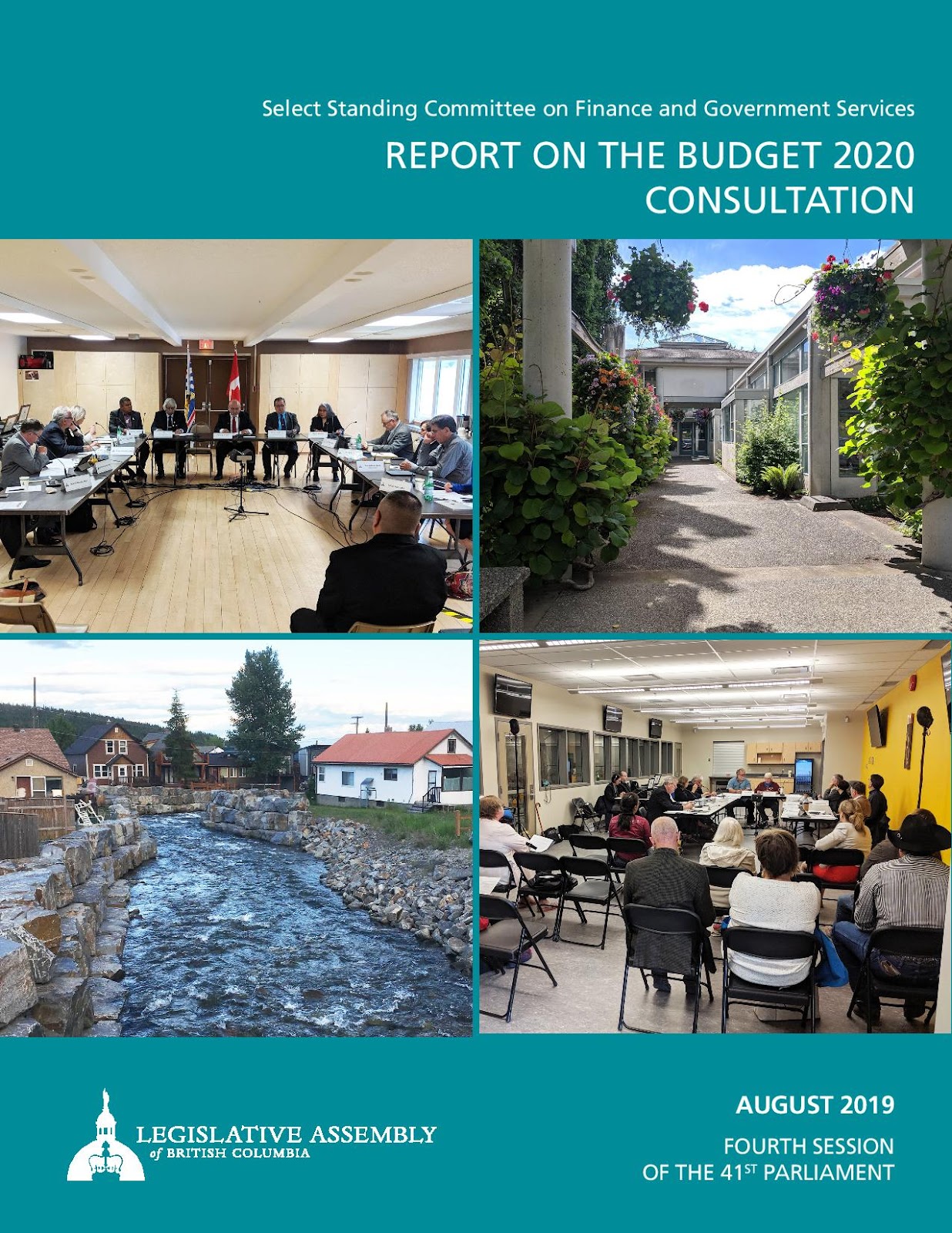
2020 Budget Report


In June, CAOT-BC presented to the Select Standing Committee on Finance and Government Services in a public consultation for the 2020 Budget. 


The unanimous report was released last week, and includes several references to occupational therapy, including recommendations to (1) ensure local training opportunities and reduce barriers for underrepresented groups including occupational therapy and (2) increase funding for all early intervention services to ensure timely access to critical services, including occupational therapy.


#OT365

Thursday, 27 June 2019

Working for You

What did CAOT-BC do for you this month? 


  • Represented BC at the CAOT Conference, including delivering a chapter update and collaborating with other professional associations at an in person ACOTPA meeting.
  • Connected with over 70 occupational therapists across BC in our Regional Forums
  • Spoke to the Select Standing Committee on Finance and Government Services about considerations for the 2020 BC Budget
  • Represented occupational therapists at the HSA Professional Associations meeting and WorkSafeBC Health Professionals Conference
  • Participated in phone meetings with various stakeholders including the Ministry of Health (Allied Health Workforce Development), Ministry of Mental Health and Addictions and ICBC

#OT365

Thursday, 30 May 2019

Working for You

What did CAOT-BC do for you this month? 


  • Hosted a successful Networking & Education Day in Victoria, BC
  • Collaborated with the Arthritis Society to deliver education and promote the role of occupational therapy to people living with arthritis at the Pharmasave Broadmead Health Expo
  • Sponsored a door prize and connected with community occupational therapists at the Community Rehab Forum in Burnaby
  • Hosted a booth at the CAMS-HP course in Kelowna
Questions, comments or ideas? Email caotbc@caot.ca

#OT365